Commercial & Car Park Paving in Cheltenham
Commercial and car park paving covers a different scale of work than a driveway or a garden path. Think retail units, office forecourts, industrial yards, school car parks, and access roads that need to handle daily traffic from cars, vans, and sometimes HGVs. Around Cheltenham that means work for business parks off the A40, retail sites near the town centre, and industrial units out toward Gloucester Road, where the ground often needs proper preparation before any surfacing goes down.
The job itself usually starts with excavation and sub-base work, since a car park that sees regular vehicle turnover needs a much stronger foundation than domestic paving. From there, contractors lay tarmac (the most common choice for large areas because it's fast to install and cheap to maintain), block paving, or resin-bound surfacing, then finish with line marking, drainage channels, and sometimes kerbing or bollards. Drainage matters more here than on a house driveway: a badly graded car park pools water, which speeds up cracking and potholes.
When comparing contractors for this kind of work, look for evidence they've handled commercial-scale jobs before, not just driveways. Ask about sub-base depth for the traffic load expected, who handles line marking and signage, whether they carry public liability insurance suited to commercial sites, and how they manage access so your business can keep operating during the work. Written quotes with a clear scope (excavation depth, sub-base type, surface thickness) are worth more than a verbal estimate.
Our ranked guide to paving contractors scores all 9 businesses in this category on the same criteria, with the full breakdown explained on the methodology page.
Find commercial & car park paving for your project
No obligation. Tell us what needs doing and we'll connect you with paving contractors who fit your needs.
All commercial & car park paving, ranked by score and relevance
We found 9 businesses offering commercial & car park paving; 8 met the criteria for the scored directory. The order weighs each business's overall score by how much of its reviewed work is commercial & car park paving, so a lower-scored specialist can rank above a higher-scored generalist. Filter and sort below, or open the full map view.
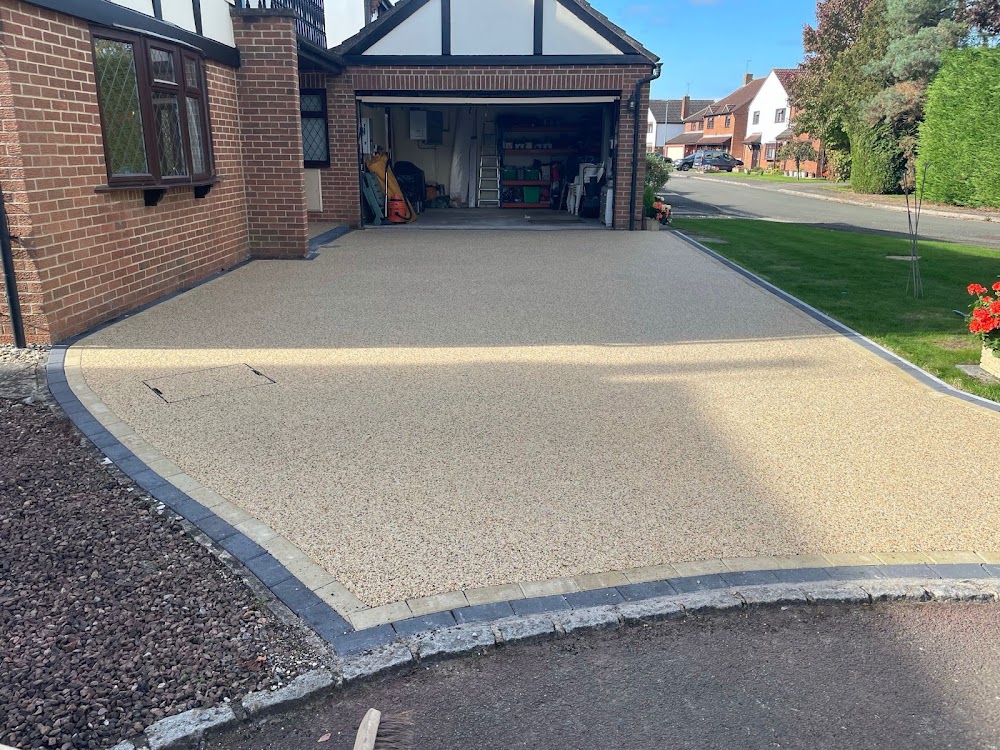
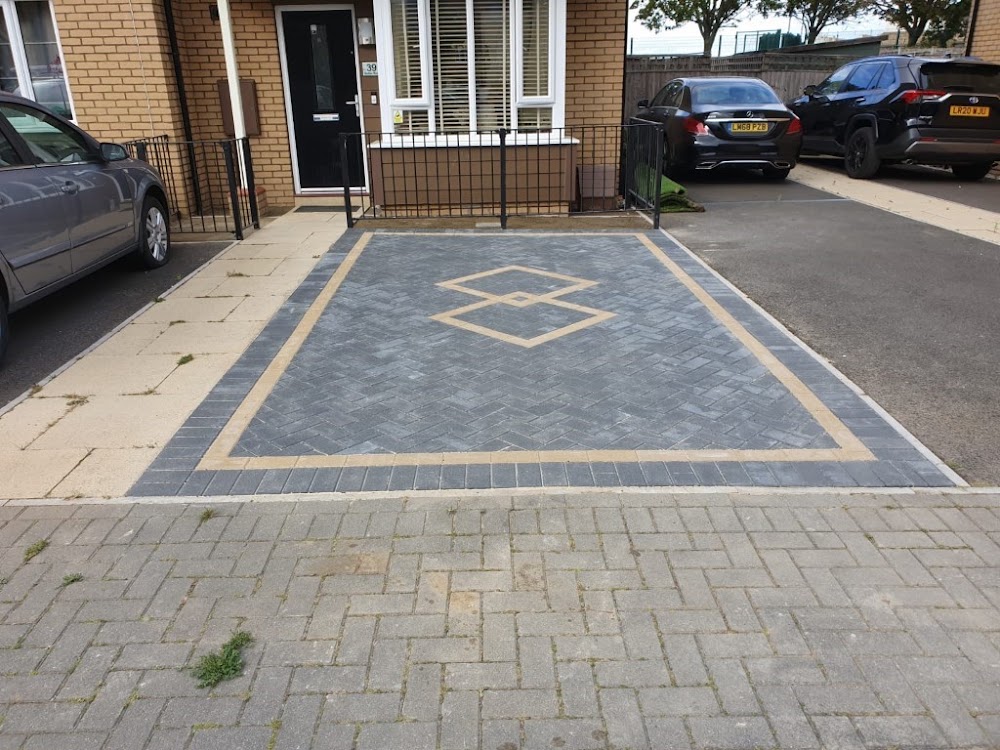
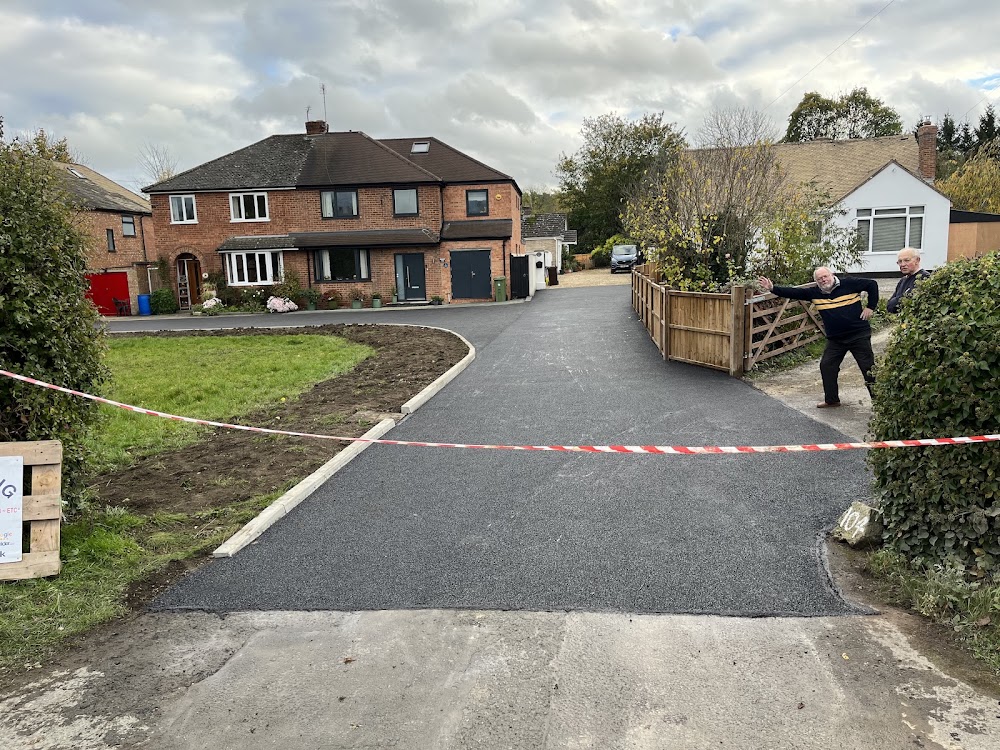
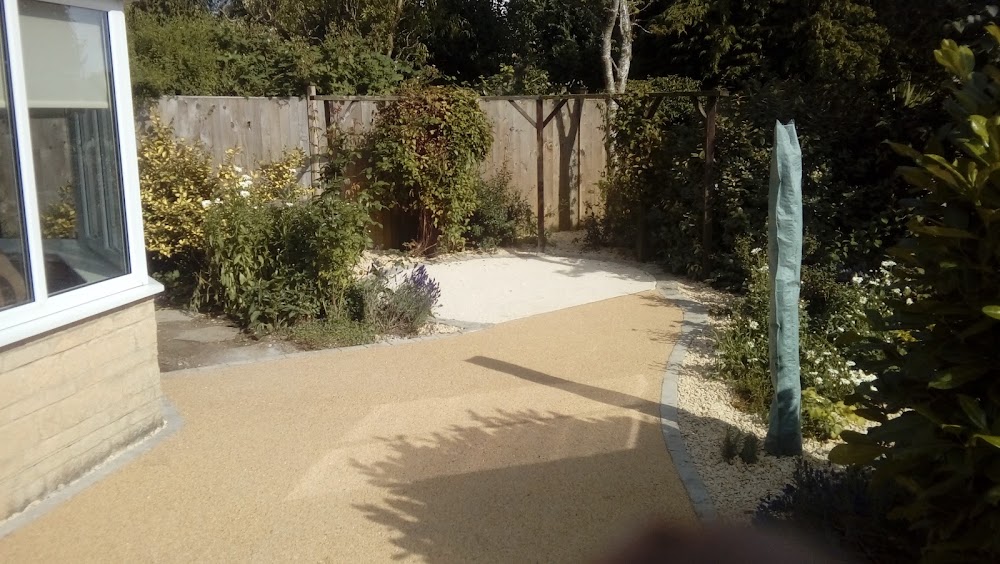
Enquiries submitted through our contact and quote forms may be passed to partner providers who can perform the work, and we may receive a referral fee. Our rankings and scores are based solely on our published scoring method and are never affected by referral fees.
Common questions about commercial & car park paving
- How much does commercial car park paving cost in Cheltenham?
- It depends heavily on area and ground condition, but resurfacing an existing car park with tarmac typically runs cheaper per square metre than a full dig-out and rebuild. A full job including excavation, new sub-base, drainage, and line marking costs more than a simple overlay. Get a site visit rather than a quote based on measurements alone, since sub-base condition changes the price a lot.
- How often does a car park need resurfacing?
- A well-built tarmac car park with proper drainage can last 15-20 years before it needs full resurfacing, though it may need patching or a fresh top layer (an overlay) sooner if it sees heavy or constant traffic. Cracking, potholes, and standing water are the usual signs it's time to act rather than just patch.
- What should I expect during the work?
- Expect the site or part of it to be closed off while excavation, sub-base laying, and surfacing happen, usually over several days depending on area. Tarmac needs time to cure before vehicles can use it, so factor that into any plans to reopen parking. A decent contractor will phase the work if you need to keep part of the car park operational.
- How can I judge the quality of a finished job?
- Check for even, consistent surface levels with no pooling water after rain, clean and durable line marking, and properly compacted edges that aren't crumbling within weeks. Ask what sub-base depth was used for your traffic type, since a shallow sub-base under heavy vehicle use is the most common cause of early failure.